Table of Content
Some people believe that the acetic acid in apple cider vinegar can help to break down the tissue surrounding skin tags, causing them to eventually fall off. Usually, if you have a fibroma, you're the one to find it! Or a dental or medical professional, upon routine examination, discovers it. On rare occasions, fibromas can show up in the maxilla or mandible . These types of fibromas are more likely to be discovered in digital imaging rather than from you noticing them in your day-to-day routine. If you think you may have an oral fibroma, contact AZ Dentist today for a full exam at one of our Phoenix area dental clinics.
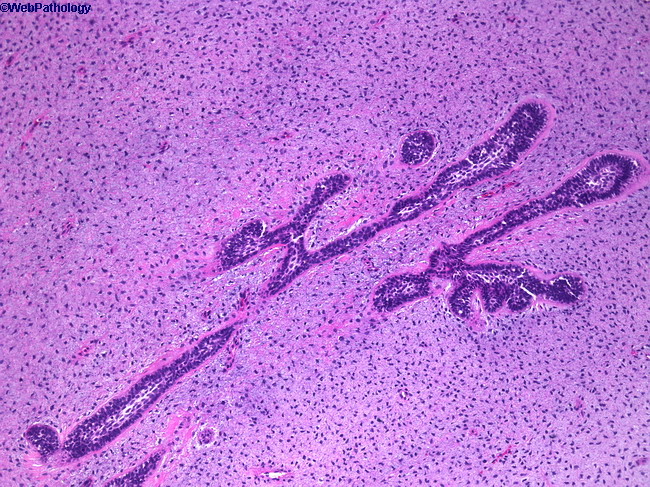
Although, oral Fibroma affects about 1-2% of adults, it can occur at all ages of development. The entire in-office procedure takes approximately minutes, and you should heal within a few days to a week. Oral fibromas are sometimes referred to as traumatic fibromas. The term “traumatic fibroma” refers to when a person repeatedly bites or irritates the affected area. When this consistently happens, the oral fibromas gets bigger and more troublesome every time. Fibromas are masses that can appear in other parts of the body but are commonly found in the oral cavity.
How can i prepare for minor hand surgery, removal of fibroma on tendon sheath o of thumb?
It is a small skin tumor that can occur anywhere on the body, but most commonly found on the exposed body parts like arms and legs. Dermatofibroma is quite harmless, and it never turns into cancer. Some people can have more than one growth on the body. These are found mostly in adults, and it’s rare in children.
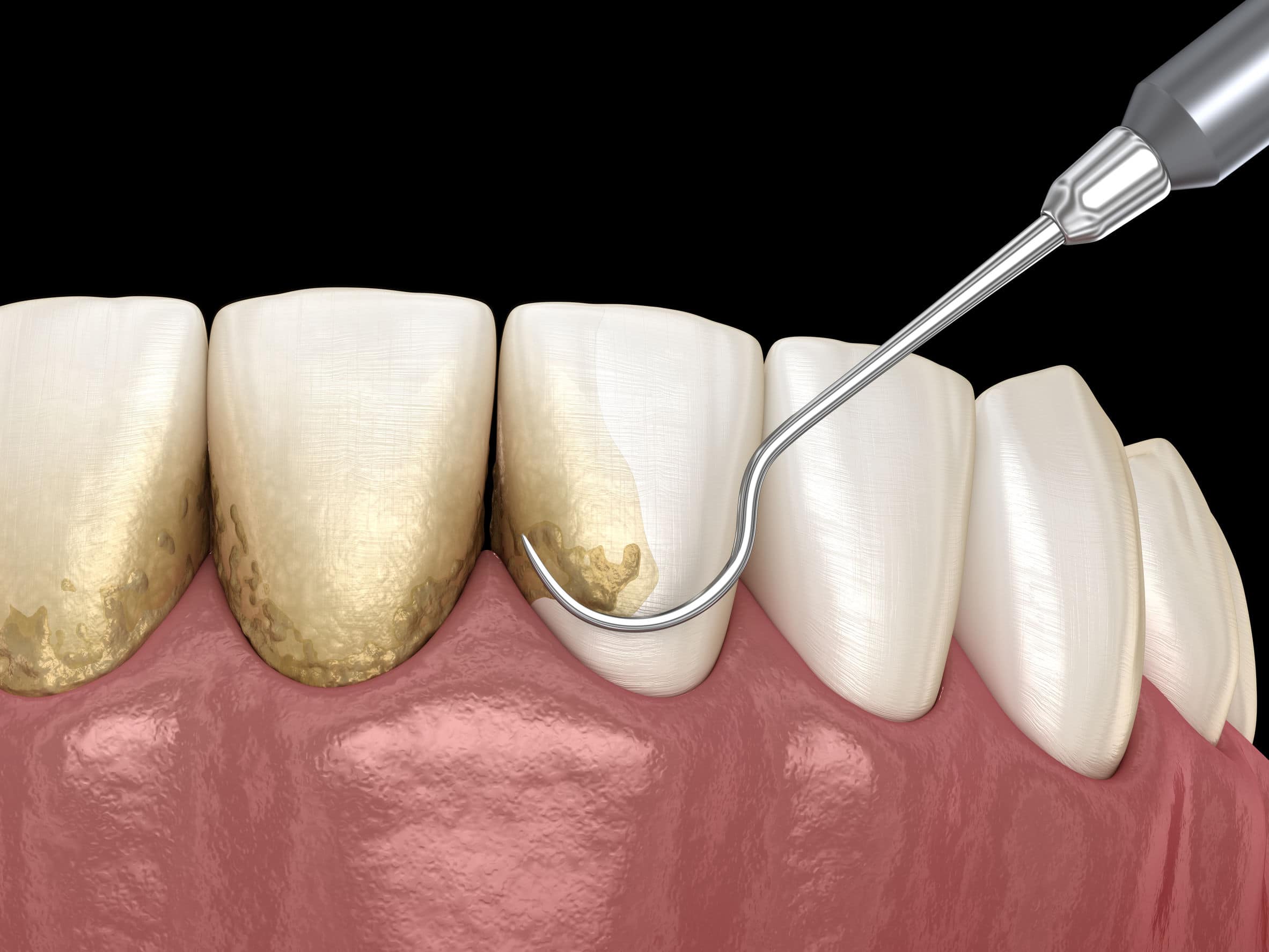
Oral fibroma can be pink or white and are generally smooth and raised. Unlike their softer, fat-filled cousins, the lipoma, an oral fibroma is usually firm to the touch. Laser removal offers a quick and painless way to remove the growth. After applying local anesthesia to the area, the dentist uses a powerful laser to sweep over the fibroma until it is gone. The procedure is relatively pain-free, with no bleeding, and takes only about 15 minutes.
Symptoms and Causes
Instead, we call it oral fibroma, which is a widespread benign growth in the mouth that could be of any size. It could be soft or hard, or it could be smooth or rough. Oral fibromas are also commonly called reactive hyperplasia. As the name suggests, they are benign fibrous growths found at the site of constant irritation or trauma to the tissues in the oral cavity. While learning about fibroma treatment can help put your mind at ease, it's also essential to know how to prevent a future fibroma from forming! But with the help of your dental professional, you can begin to adopt preventive measures to keep your mouth wound-free.
If these occur, contact your dentist immediately to have your stitches checked.
İnvisalign Dry Mouth Remedies
Compulsively biting your cheek or lip, for example, is a common cause. So are dentures, orthodontic appliances and restorations that rub against your mouth. Certain folks — like diabetics, for example — tend to be at greater risk for oral issues. A fibroma is a mass of connective tissue that usually grows in response to trauma or localized irritation.
Although they can look scary, oral fibromas are not generally cancerous. Because they can resemble the initial stages of some types of oral cancers, your dentist will most likely order removal and a biopsy to be on the safe side. The major cause of oral fibroma is trauma or irritation to the sensitive tissues of the mouth. This can occur through injury to the mouth, or it can be a result of a habit, such as biting the inside of your cheek. To start, only compound topical anesthetic was applied. He used the 0.5 mm spot size with 10% mist and cutting speed between 30-50%.
Manual vs Power Toothbrushes: Is One Really Better?
Baking soda and castor oil are used by many people for fibroma removal. You can mix both castor oil and baking soda to a fine paste, and then coat the fibroma completely with the paste. This simple home remedy can help dry out the fibroma gradually. You can also cover the fibroma with a small bandage after applying the paste, in order to make this remedy more effective. Not just fibroma, baking soda helps in removal of blackheads too. In Laser removal your dentist uses an anesthetic to numb the fibrous area and remove the oral fibroma.
Moreover, the patient is advised not to do some hard physical activities and avoid excessive sweating for several days. Fibroma can also be confused with cancerous tumors or legions and should be examined by a medical professional. They can also affect the blood vessels and areas around the tumor. Surgical excision is a surgery and will leave a sutured wound. It’s important to look for any signs of infection such as fever, pain, swelling, and discharge.
This method is highly efficient and reduces your pain. The fibroma area is continuously swept with the laser until the Fibroma is completely removed. The laser cauterizes and seals the incision as the Fibroma is removed. Therefore, there is no need for suturing after the surgery.

Any information provided on the Trickycare platform is for general information only and does not constitute professional advice. Ensure you visit a trained and competent dentist for your surgery. Post-surgery pains should be mild and can be managed using pain relief medications according to your doctor’s prescription. The sharp edges of the tooth can be smoothed to avoid future trauma. Oral fibroma presents in the mouth at the site of constant trauma as a firm nodule or growth. Fibromas are more likely to occur in adults but can occur at any age.
Most fibroma appears on the feet and is referred to as plantar fibroma. Most of the time, fibroma is caused by dense scar tissue and forms after a trauma or injury. Oral fibromas are benign growths seen in the oral cavity at the site of irritation. The shape, size, structure, and consistency may vary depending upon the composition of the fibroma. Oral fibromas can also be pedunculated; that is, a stalk might be evident that connects the outgrowth of tissue to the underlying tissue.
So, it’s important that you priotize your oral habits. First off, avoid repeatedly biting your cheeks as it will reduce irritation of your mouth. Also, ensure proper fitting of dental appliances and dentures if you make use of them. The most common locations for fibroma is the inside of the mouth, the feet, the eyelids, the nose and the ovaries. On the outside of the body, the most common type of fibroma is anywhere that trauma can occur.
If it grows too large, they may recommend removing it to avoid structural weakening of your child’s bone. A non-ossifying fibroma is a benign bone tumor made of tissue such as scar tissue. Non-ossifying means it doesn’t calcify into your bone tissue. The tumor grows on your bone, but it’s not made of bone.

But if you have symptoms of a fibroma that interfere with your daily activities, see your healthcare provider. They can evaluate the growth and determine a good course of treatment to get you on your way. Noninvasive treatment options for uterine fibroids include medication and uterine artery embolization. If uterine fibroids affect your fertility or cause severe symptoms, you may need surgery. Your healthcare provider can perform a surgical procedure to remove uterine fibroids called a myomectomy. There are many other treatment options for uterine fibroids.


No comments:
Post a Comment